
Integrating Security Camera Management Tools With Smart Building Technology
Smart building technology has transformed the way we design, operate, and maintain modern facilities. From energy management to climate control, these systems improve efficiency and comfort. Security is a vital component of this ecosystem, and integrating security camera management tools with smart building technology provides significant advantages. Using tools like the hilook app for pc, users can monitor cameras, receive alerts, and manage systems in real-time. Such integration enables real-time monitoring, automated responses, and centralized control, enhancing both safety and operational efficiency. Understanding how these systems work together helps organizations create safer, smarter, and more responsive buildings.
Centralized Monitoring and Control
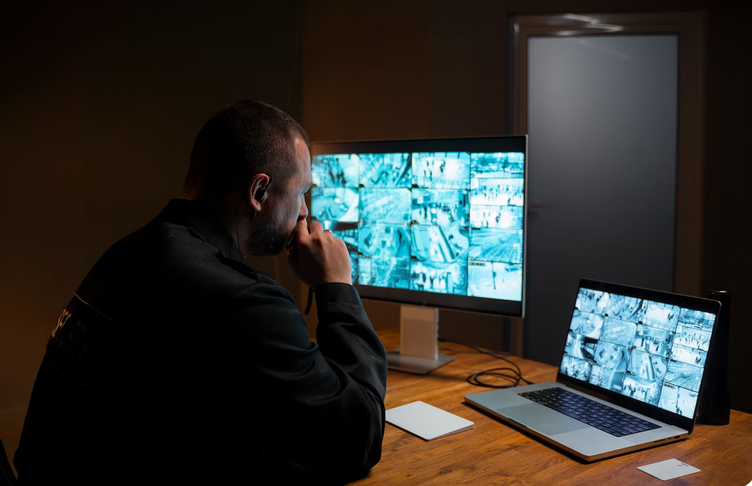
Integrating security camera management with smart building systems allows centralized monitoring. Users can view live feeds, manage cameras, and control access points from a single interface. This unified control reduces complexity and ensures a quick response to incidents. Centralized monitoring improves situational awareness and makes it easier to coordinate security personnel. By consolidating information, organizations gain a unique advantage in managing both safety and operational systems efficiently. Centralization is particularly beneficial for large commercial or residential complexes with multiple security points.
Real-Time Alerts and Automation
Smart building integration enhances automated responses to security events. Cameras can trigger alerts when motion is detected or when access points are breached. These alerts can prompt automated actions, such as locking doors, activating alarms, or adjusting lighting. Real-time notifications ensure immediate attention and reduce the risk of damage or unauthorized access. Automation ensures that critical responses occur without delays, even when personnel are not immediately available. This proactive approach enhances safety and operational efficiency.
Improved Resource Allocation
Integrating security management tools with smart building systems helps optimize resource allocation. AI and analytics can track patterns in building usage, occupancy, and security events. This information allows security teams to allocate personnel and resources where they are most needed. Organizations can prioritize areas with higher risk while reducing unnecessary patrols in low-risk zones. Improved resource allocation ensures effective use of staff and technology, maximizing both security and operational efficiency. This data-driven approach is becoming increasingly important in modern building management.
Predictive Maintenance and System Health
Smart building integration enables predictive maintenance for security systems. Analytics monitors camera performance, detects potential malfunctions, and recommends maintenance actions before failures occur. This proactive maintenance ensures continuous operation and minimizes downtime. Predictive insights help facility managers schedule maintenance efficiently, reducing operational disruptions. Regular upkeep also extends the lifespan of cameras and associated equipment. Ensuring system health is a key factor in maintaining reliable security infrastructure.
Seamless Integration With Other Building Systems
Smart buildings rely on multiple interconnected systems, such as HVAC, lighting, and access control. Security camera management tools can integrate seamlessly with these systems to create coordinated responses. For example, a camera detecting unauthorized access can trigger alarms, adjust lighting, and lock doors simultaneously. Seamless integration ensures that building systems work together to enhance safety and efficiency. This unified approach reduces response times and improves the overall effectiveness of building operations.
Remote Access and Cloud-Based Management
Cloud technology allows security camera management to be accessed remotely, a key feature for modern smart buildings. Facility managers can monitor multiple locations from any device with internet access. Remote access provides flexibility and ensures continuous oversight, even when on-site staff are unavailable. Cloud-based management also allows for secure storage of video footage and centralized updates. This accessibility ensures that security systems remain operational, efficient, and reliable at all times, enhancing both safety and convenience.
Future Trends in Smart Building Security
The future of security camera integration in smart buildings will feature greater AI adoption, predictive analytics, and multi-system coordination. Cameras may autonomously assess threats, prioritize alerts, and communicate with other devices in real-time. IoT and machine learning will further enhance decision-making, providing proactive security management. Emerging technologies will make buildings smarter, safer, and more responsive to occupant needs. Organizations that adopt these innovations will enjoy improved safety, operational efficiency, and a unique competitive advantage in building management.
Integrating security camera management tools with smart building technology provides centralized control, real-time alerts, predictive maintenance, and enhanced analytics. Seamless integration with other systems and cloud-based remote access ensures continuous, efficient security operations. Future trends such as AI-driven decision-making and advanced IoT coordination promise even smarter, safer buildings. Embracing these integrated solutions ensures reliable security and optimized building performance for modern facilities.